Explore the Vital Support Offered by a Construction Manager for Your Upcoming Venture
In the building sector, a CG contractor plays a pivotal role in making the project succeed. Their offerings include full project control, financial planning, and organizing different groups. This knowledge base does more than smooth execution but also ensures legal conformity and standard maintenance - Hickory top rated Commercial General Contractor. Understanding these essential services can notably impact the result of your build. What specific benefits can a general contractor offer your your next venture?
Detailed Project Administration
Detailed project administration is essential for the effective delivery of development ventures. It involves a organized strategy that covers planning, coordination, and control of a project from beginning to end. A commercial general contractor plays a pivotal role in this process, ensuring that all project components align with the client's vision and legal standards.
Successful project oversight includes defining project scopes, timelines, and deliverables while maintaining clear communication among team members. The contractor organizes specialized workers, manages resources, and oversees quality assurance to ensure the project meets established specifications. Furthermore, a detailed project management strategy utilizes risk management strategies to identify potential challenges early and formulate backup strategies.
Finally, effective oversight encourages cooperation, simplifies operations, and boosts the probability of finishing a job on time and within budget and scope, thus increasing client satisfaction and successful outcomes.
Budget Oversight and Expenditure Control
Successful project oversight naturally leads to the need for strict financial planning and financial oversight. A commercial general contractor is essential in creating the monetary plan for a project. This involves precise cost analysis based on project specifications, labor, materials, and machinery. By spotting monetary risks promptly, the contractor can implement strategies to reduce these risks, making certain that the project remains within budget.
In addition, continuous monitoring of expenditures throughout the project lifecycle is essential. The construction manager employs various techniques to monitor expenditures versus the budget, enabling proactive adjustments where required. This disciplined process is key to preventing cost overruns but also improves fiscal responsibility across all involved parties. Crucially, good budgeting and expense control foster a transparent financial environment, allowing for informed decision-making and proper resource deployment, a factor essential for the successful delivery of any construction project.
Orchestrating Subcontractor and Supplier Activities
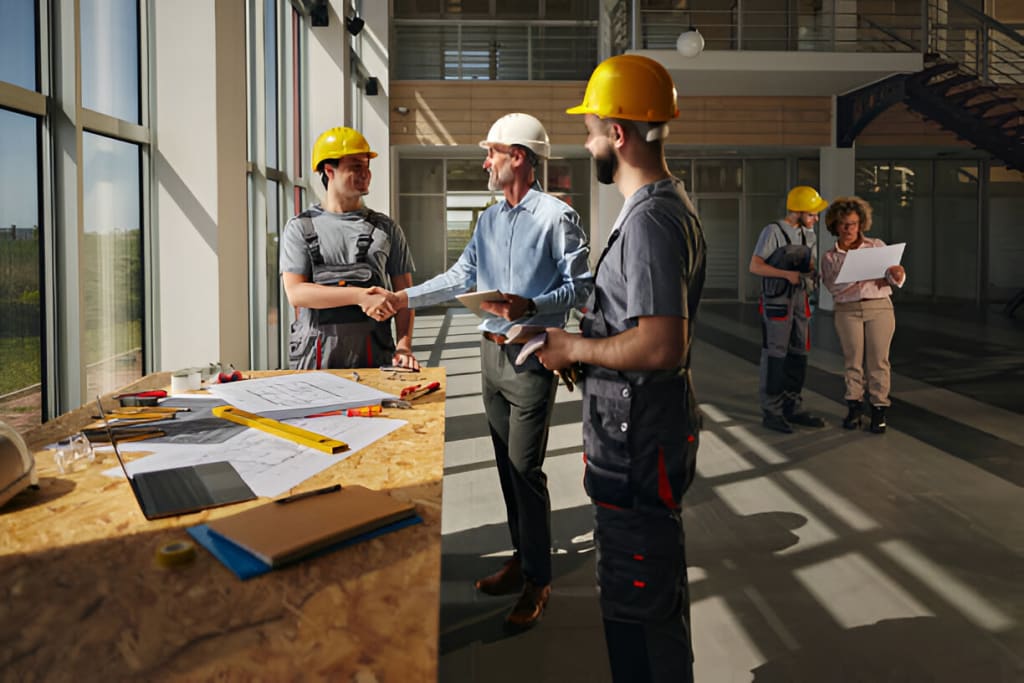
During the execution of a project, managing vendors and subcontractors is essential for maintaining workflow efficiency and hitting target dates. A commercial general contractor takes a central position in orchestrating these relationships, making sure every party is in sync with the project's timeline and goals. Effective communication between the general contractor, suppliers, and subcontractors is crucial for reducing delays and avert costly errors.
The general contractor is responsible for scheduling subcontractor work sequences, a process that optimizes operations and improve the distribution of resources. In addition, the contractor handles sourcing supplies from suppliers, ensuring that necessary resources are delivered on time and within budget. By overseeing these important interactions, the GC can quickly resolve emerging problems, leading to a more seamless construction process. Crucially, this management does more than just boost project efficiency but also is key to the successful outcome of the construction endeavor, ensuring that all components come together seamlessly.
Meeting Building Codes and Regulatory Standards
Ensuring compliance with building codes and regulations is a core duty of a commercial general contractor, because ignoring these standards often causes serious fiscal and legal consequences. A commercial general contractor needs to have comprehensive knowledge of all relevant governmental regulations applicable to construction projects. Their specialized skill permits them to navigate complex legal frameworks, making certain every facet of the project—from concept to build-out—comply with necessary standards.
Furthermore, GCs frequently collaborate with engineers, architects, and governing agencies to confirm that specifications and plans meet code standards. By performing frequent checks and evaluations, they are able to detect regulatory problems soon, lessening risk and averting costly postponements. In the end, a firm dedication to following regulations preserves the contractor's reputation but also protects the interests of clients, ensuring that projects are completed successfully and without undue difficulty.
Ensuring Quality and Monitoring Safety
Quality assurance and safety oversight are essential elements of a commercial general contractor's role, which directly affects the integrity and success of construction projects. These measures ensure that all work satisfies required criteria
A trusted contractor implements rigorous inspection processes to verify that materials and workmanship comply with project specifications - Hickory top rated Commercial General Contractor. Frequent site inspections are performed useful information to spot potential dangers and copyright safety rules among workers. This forward-thinking strategy safeguards staff but also avoids expensive hold-ups and rework due to safety incidents or quality issues
Moreover, clear communication between the contractor, subcontractors, and suppliers is crucial for keeping standards high throughout the project lifecycle. By making quality and safety a priority and safety oversight, a commercial general contractor fosters a culture of accountability, leading directly to the successful completion of projects on time and under budget
FAQs
What Types of Projects Can a Commercial General Contractor Undertake?
A commercial general contractor can handle various projects, including office buildings, retail spaces, warehouses, industrial facilities, remodeling jobs, and new constructions. They handle the full scope of work, guaranteeing quality, compliance, and punctual finishing of each project.
How Should I Select the Right Commercial General Contractor?

To pick the best commercial general contractor, one should assess their background, ask for testimonials, assess financial stability, compare project portfolios, and ensure open dialogue. A detailed choosing method can ensure successful completion.
What Happens During the Initial Consultation?
During the initial consultation, clients can expect discussions about project objectives, timelines, cost projections, and the contractor's abilities. This meeting acts as a basis for building common ground and matching expectations between the client and contractor.
In What Way Do Contractors Control Project Timelines Effectively?
Contractors effectively manage project timelines by employing meticulous plans, setting clear milestones, coordinating schedules, and ensuring constant contact with all stakeholders. They also reallocate resources as required to guarantee timely project completion and minimize potential setbacks.
What Advantages Come From Employing a General Contractor Versus DIY?
Working with a general contractor delivers expertise, full oversight of the job, and the availability of a network of vetted specialists. This secures high-quality results, finishing on schedule, and meeting all legal requirements, ultimately reducing stress and potential costly mistakes when measured against DIY approaches.